How Natural GLP-1 Support Can Help Control Appetite

GLP-1 is a natural hormone released in the gut after eating that helps signal fullness, slows digestion, and supports healthy blood sugar balance. Many people are looking for ways to support their own GLP-1 production naturally through nutrition and lifestyle habits.
Understanding the Role of GLP-1
GLP-1 plays an important role in appetite regulation by helping the body recognize when it has eaten enough. Healthy GLP-1 activity can support feelings of fullness and help reduce the desire to snack between meals.
How Fiber May Support Natural GLP-1 Activity
Soluble fibers such as psyllium husk and glucomannan can help increase fullness and may naturally encourage stronger satiety signals after meals.
Benefits of Soluble Fiber
-
Promotes feelings of fullness
-
Supports digestive health
-
Helps with portion control
-
May reduce unnecessary snacking
-
Supports healthy weight management
The Importance of Protein and Meal Structure
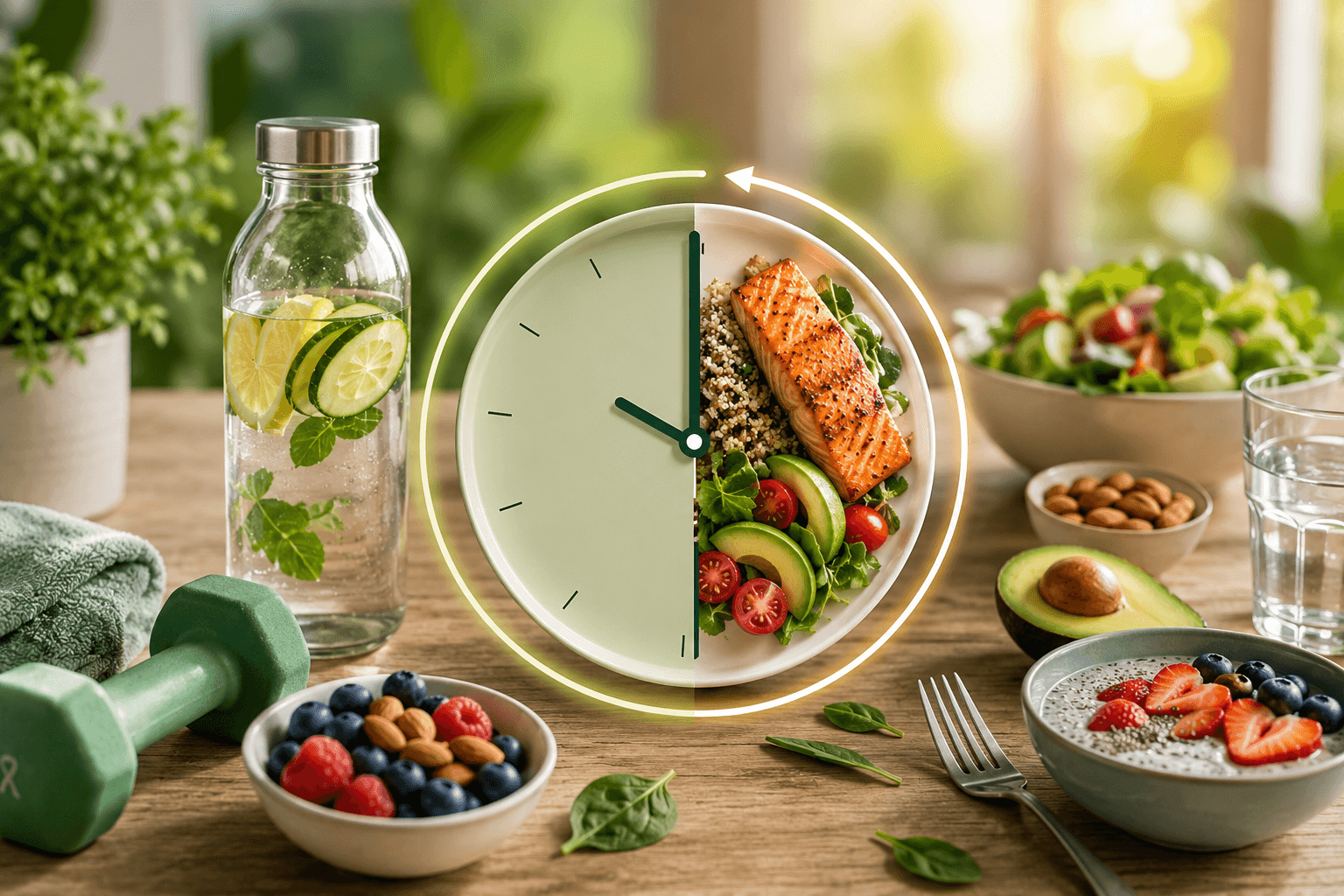
Protein-rich meals, portion control, and timed eating windows may also help reduce constant hunger and improve appetite regulation throughout the day.
Establishing consistent meal habits can help support healthy eating patterns and improve awareness of hunger and fullness signals.
Nutrients That Support Healthy Glucose Metabolism
Nutrients such as berberine, chromium, and cinnamon are commonly used to support healthy glucose metabolism, which can further assist with cravings and energy stability.
Building Sustainable Habits for Long-Term Success
Healthy appetite control is most effective when supported by consistent daily habits, including balanced nutrition, regular movement, quality sleep, and stress management.
Small daily choices can help support natural fullness signals and make appetite management more sustainable over time.
The Bottom Line
When combined with consistent habits, natural GLP-1 support can be a sustainable strategy for weight management, appetite control, and overall metabolic health.